
Why Gulf Coast Homeowners Choose Culligan For Well Water Treatment
Our systems are second to none. The real advantage is that we make treating well water simple.
-
We Treat Your Water, Not A Category
Around Tampa Bay the biggest question about a well is how deep it goes. A shallow well in the surficial sand draws different water than a deep well into the Floridan limestone below it, and the difference shows up in the results. USGS put it in numbers years ago: iron exceeds the drinking water standard in more than half of surficial and intermediate aquifer samples statewide, against probably under ten percent for the Floridan. The Floridan brings its own signature instead, which is hardness and sulfur. Two houses on the same street can be on different aquifers. We start with a test and build the treatment around your numbers, which is why we won’t quote a system over the phone.
-
Nobody Else Is Checking Your Well
This one surprises people. The Southwest Florida Water Management District permits well construction in Pasco and Pinellas, and the county health departments handle surveillance, but the permit covers how the well is built rather than what comes out of it. Florida requires no water-quality test when a property changes hands, and a dozen Florida counties have a local rule requiring testing of newly built wells. Pasco is not one of them. Florida’s own parcel inventory counts more than 17,000 private-well properties in Pasco County, and nothing in the process requires any of them to be tested, ever. The Health Department recommends bacteria and nitrate once a year and lead every three years, at roughly $20 to $30 a sample, but recommending is as far as it goes.
-
Expert Installation, And We Maintain It
Culligan has been in water treatment for more than 85 years and it’s all we do. Your local Culligan delivers, installs, and maintains the system for you, so there’s no shipping damage, no unboxing, no guessing about install location, and no third-party service line when it needs attention. Schedule an appointment, then enjoy the water.
-
Make Your Water Work For You
On the fence about whether you need treatment? These are the returns that pay a system off over time.
- Over $437 a year saved on soaps, shampoos and detergents in soft water
- Over $115 a year in gas water heater energy savings
- Up to 50% more life out of dishwashers and washing machines
- No more replacing fixtures and appliances that iron ruined early
Local Resources
Gulf Coast Well Water
Why Does My Well Water Smell
Like Rotten Eggs?
Hydrogen sulfide, and in Florida the reason is geological rather than local. USGS traces it to the anhydrite and gypsum beds that sit at the base of the Floridan aquifer. Those minerals dissolve and load the water with sulfate, and where the aquifer is confined and low in oxygen, bacteria reduce that sulfate to hydrogen sulfide gas. USGS describes the result plainly as an objectionable rotten-egg taste and odor. Pinellas County’s own utilities pages acknowledge sulfides as a natural feature of Florida groundwater. No agency publishes a percentage of wells affected, so anyone quoting you one made it up. It is a nuisance rather than a health hazard at the levels we normally see, and it will not clear up on its own. Sulfur filtration removes it.
How Hard Is Well Water
Around Tampa Bay?
Hard, and the aquifer explains why. The Floridan is limestone, and water moving through limestone picks up the calcium that makes water hard. The best published yardstick comes from the municipal side: Pinellas County’s treated supply, which draws heavily on Floridan wellfields, averages 207 mg/L as calcium carbonate with a range of 174 to 239, which is about 10 to 14 grains per gallon. That water has already been through treatment. Nobody publishes a hardness figure for private wells in Pinellas or Pasco, so we won’t quote you one, but a Floridan-sourced well in the same region is unlikely to come in soft. The only way to know your own number is to test for it.
Should I Worry About Radium
Or Radioactivity?
Less than you may have heard, and we would rather tell you that. Florida does have a documented radium story, tied to the phosphate-rich rock of the Hawthorn Group, but the elevated zone sits south and east of us in the phosphate districts. When USGS surveyed the Floridan aquifer it found high combined radium only in the southern part of its study area. Closer to home, Pinellas County’s finished water reports combined radium at 1.2 picocuries per liter against a limit of 5, and gross alpha at 3.4 against a limit of 15. Those are treated municipal numbers rather than well numbers, and no one has surveyed private wells here, which is the actual reason to test. It is a worthwhile one-time panel, not a local emergency.
TREATMENT OPTIONS
Three Problems, Three Fixes For Your
Tampa Bay Well
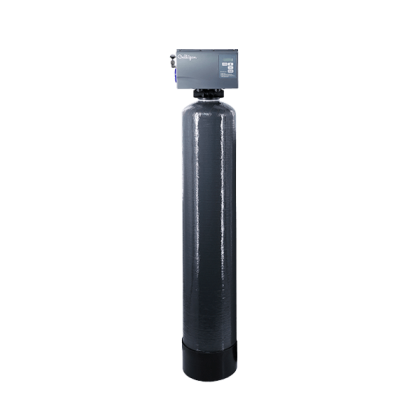
Iron & Sulfur Filtration
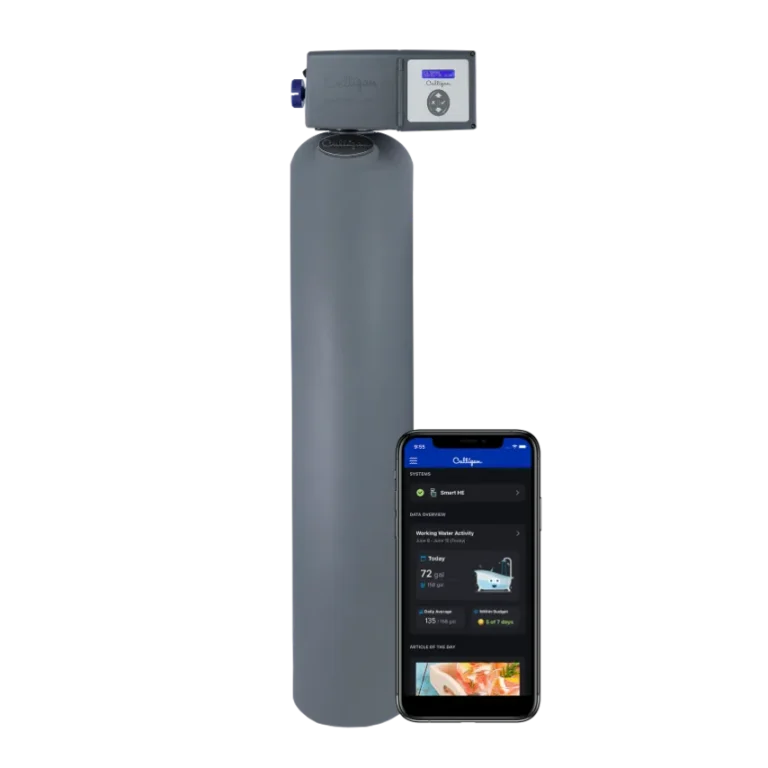
Water Softening
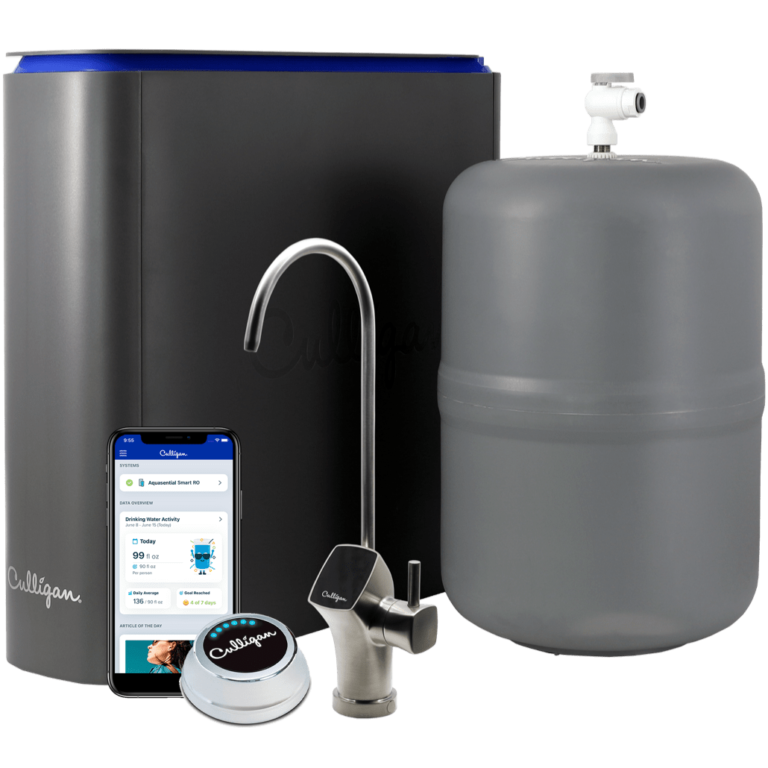
Drinking Water Systems
The Proof
Why Do Gulf Coast Homeowners TRUST Our
Well Water Treatment Systems?
They are very prompt at servicing the units without issue. In the past two weeks, Mike came out to quickly address and change slowing filters on the osmosis system. He was on time, focused on his work, and very pleasant throughout the visit. They are always the best. Thanks for the great service!

The service is excellent and your products are outstanding . I am simply enjoying this product and will surely recommend to my relatives and friends.
Prompt professional service. Reliable technician services Culligan water softener every month. Love my "Culligan Man."
Rotten Egg Smell? Rust Stains?
Find Out What's Really
In Your Gulf Coast Well Water!
• Fast on-site results, no mailing
• We test iron, sulfur, hardness, dissolved solids and pH
• Flexible sample pickup options

Frequently Asked Well Water Treatment Questions
We Have Answers
Will a water softener remove the iron from my well water?
A softener removes hardness, which is calcium and magnesium, and it can handle a limited amount of iron along the way. If iron is your main problem you want a dedicated iron filter. Around here iron tends to track with well depth, so a test is the fastest way to tell which situation you're in.
Does it matter how deep my well is?
A great deal. USGS found iron above the drinking water standard in more than half of Florida's shallow surficial and intermediate aquifer samples, against probably under ten percent for the deeper Floridan. The Floridan trades that for hardness and sulfur instead. If you know your well's depth and which aquifer it taps, tell us, and if you don't, the water itself usually tells us.
Do I need a softener, a filter, or both?
Most Floridan wells here end up with both, because hardness and sulfur are separate problems with separate solutions. Whole home filtration paired with softening is the complete answer for a typical well in this region.
Will my water taste salty?
Not from a softener. A properly functioning water softener will never make your water taste salty, because the sodium it adds is far too little to taste. If your well water tastes salty on its own, that is worth investigating, because chloride creeping into coastal wells is a known Florida issue.
How does a water softener work?
Through ion exchange. As it removes the calcium and magnesium that make water hard, it replaces those ions one for one with sodium. The amount added is proportional to how hard your water is, and in most cases it isn't a significant contributor to the sodium in your diet.
Will a softener reverse damage already done to my appliances?
Yes. Once a softener is installed it begins removing the scale that hard water built up. It takes a long time to clear, but it will clear.
Are chemicals added to my water to soften it?
Other than salt or potassium chloride, no. A softener reduces the cleaning supplies and detergents going down your drain, which makes it a net positive environmentally.
How often do I need to add salt?
Modern softeners recharge based on how much water you use and how hard it is. Most of our customers add salt once or twice a year.
I live in Clearwater or St. Petersburg. Is this page for me?
Only if you are one of the few. Florida's own parcel inventory found about 635 private-well properties in all of Pinellas County, against more than 244,000 on public water. Pasco County is the opposite picture, with over 17,000 private-well parcels. If you're in Pinellas you are almost certainly on municipal water, and our hard water and chlorine taste pages will be more use to you than this one. If you are one of the Pinellas well owners, everything here applies.
Does anyone test my well for me?
No, and this is the part worth reading twice. The Southwest Florida Water Management District permits well construction in Pasco and Pinellas, and the county health departments run surveillance, but the permit governs how the well is built. Twelve Florida counties have a local rule requiring a test on newly constructed wells and Pasco is not among them. Florida requires no test when a home is sold. Nothing requires a test afterwards. The Health Department recommends bacteria and nitrate annually and lead every three years, at about $20 to $30 a sample.
My well flooded in a storm. What should I do?
Have it tested for bacteria before you drink from it, and disinfect it properly rather than hoping. Florida's county health departments publish well disinfection guidance for exactly this situation. Surge and floodwater around a wellhead is the likely route in, and a well that looks and tastes normal can still be contaminated.
What about nitrate from septic systems?
Worth including in a test panel, though it is a smaller story here than the headlines suggest. When USGS surveyed the Floridan aquifer it found nitrate only at moderate levels in a small share of the study area, and did not find it at moderate or high levels in the surficial aquifer survey at all. It is one of the two things Florida's Health Department recommends testing annually, so it comes along with the bacteria test anyway.
Is my well water safe to drink without treatment?
Iron, sulfur and hardness are aesthetic and nuisance problems at the levels we usually find. Safety questions like bacteria, nitrate and the radionuclide panel are separate tests, and since nobody has surveyed private wells in this region, your own results are the only data that describes your water. Start with a water test and we'll tell you honestly which category yours fall into.
How long does installation take?
Most residential systems install in a few hours in a single visit. We deliver the equipment, install it, and set it up, so there's nothing for you to unbox or assemble.
We're building a house. When should treatment be designed in?
As soon as the well is drilled and tested. Roughing in space and plumbing for treatment during construction costs far less than retrofitting it into a finished home.
Where should I get started?
Every recommendation we make starts with knowing what is in your water. The test is free, it happens at your house, and it takes about half an hour. You'll get your numbers explained in plain language and an honest answer about whether you need treatment at all.

Facebook